Mention You Found Us Online And Save 10%
Identifying Hidden Storm Damage on Your Roof: Prevent Leaks Before They Start
Identify Hidden Storm Damage on Your Roof in Tacoma, WA
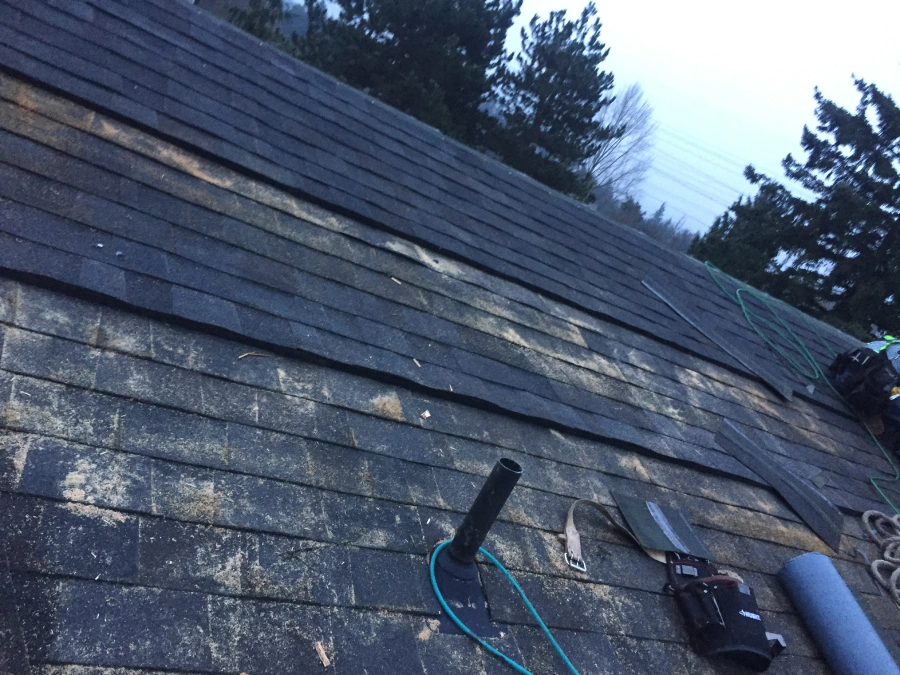
Understand what storm damage hides
When a storm passes through Tacoma, the immediate aftermath might look deceptively calm. Most homeowners scan their roofs from the ground, see no obvious holes or missing shingles, and assume everything survived intact. Yet the Pacific Northwest’s combination of heavy rain, wind gusts, and seasonal hail creates damage that operates invisibly for weeks or months before announcing itself through a ceiling stain or drip. Understanding the nature of hidden storm damage is the first step toward preventing a minor issue from escalating into a costly interior leak.
Storm damage rarely presents as a single dramatic failure. Instead, it manifests as micro-fractures in shingle sealant, loosened granules that expose asphalt underneath, or subtle lifting at flashing edges where wind worked its way beneath protective barriers. In Tacoma’s wet climate, these small breaches become pathways for moisture infiltration during our prolonged rainy season. Water enters, travels along roof decking or membrane layers, and eventually finds a weak point in your ceiling. By the time you notice interior damage, the roof structure may have been compromised for months.
The most dangerous hidden damage includes compromised underlayment, cracked pipe boots, shifted ridge vents, and small punctures from wind-borne debris that penetrated just deep enough to breach waterproofing without fully tearing through the shingle layer. Each of these conditions allows water entry while remaining invisible from ground level. Recognizing that storms create layered, progressive damage rather than obvious catastrophic failure will change how you approach post-storm inspection and help you catch problems while they remain repairable rather than waiting until replacement becomes necessary.
Inspect from the ground first
Before climbing onto your roof or scheduling a professional inspection, conduct a thorough ground-level assessment that can reveal telltale signs of hidden damage. Start by walking the perimeter of your home during daylight hours, ideally on a clear day when you can see roof details without glare or shadow interference. Bring binoculars to examine areas that are difficult to view with the naked eye, and take photos with your phone’s zoom function to review details later. This initial survey costs nothing and can help you prioritize which sections need closer attention.
Look for granule accumulation in gutters and downspouts, one of the most reliable indicators that shingles have sustained impact damage. Healthy asphalt shingles shed a small amount of granules naturally, but heavy granule loss after a storm signals that hail or wind-driven debris has compromised the protective surface layer. In Tacoma’s fall and winter months, when storms arrive in quick succession, you may also notice shingle edges that appear slightly curled or uneven, a sign that wind has begun to break the sealant bond even if the shingle remains in place.
Check for displaced or damaged flashing around chimneys, skylights, and roof-to-wall junctions. Flashing is designed to redirect water away from vulnerable seams, but storm winds can bend, lift, or separate these metal barriers from the roofing material. Even a quarter-inch gap is enough to admit water during Tacoma’s characteristic driving rain. Similarly, examine soffit and fascia boards for fresh staining or discoloration, which indicates that water is penetrating the roof edge and beginning to wick into wood components. If you spot any of these ground-level warning signs, document them with dated photos and move to the next phase of inspection or contact a qualified roofer for a detailed assessment.
Examine attic and interior ceiling spaces
Your attic is the early-warning system for roof damage. After any significant storm, schedule time to enter your attic or crawl space with a flashlight and systematically check for signs of moisture intrusion. Begin by examining the underside of the roof decking, looking for dark stains, water trails, or damp spots that indicate active leaks. Pay special attention to areas around roof penetrations such as vent pipes, chimneys, and recessed lighting fixtures, where flashing failures most commonly allow water entry. In Tacoma’s humid environment, even small amounts of moisture can promote mold growth within days, so early detection is essential.
Inspect insulation for compression, discoloration, or a musty odor, all of which suggest that water has soaked into the material. Wet insulation loses its thermal performance and becomes a breeding ground for mold spores, which can affect indoor air quality throughout your home. If you find damp insulation, trace the moisture path upward to identify the roof breach. Sometimes water enters at one point and travels along rafters or sheathing before dripping into insulation several feet away, so follow any visible staining back to its source. This detective work can pinpoint exactly where a roofer needs to focus during repairs.
Check for daylight penetrating through the roof deck, a clear sign that shingles or underlayment have been breached. While a pinhole of light might seem minor, it represents a direct pathway for rain, and Tacoma’s extended wet season means that even small openings will expand over time as freeze-thaw cycles and moisture exposure degrade surrounding materials. During your attic inspection, also assess ventilation systems. Storms can dislodge ridge vents or damage soffit vents, reducing airflow and creating conditions that accelerate hidden moisture problems. If you discover any of these issues, reach out to schedule a thorough roof evaluation before the next weather system arrives.
Examine attic and interior ceiling spaces
Gutters and downspouts function as the final defense against water intrusion, channeling runoff away from your roof edge and foundation. After a storm, inspect these drainage pathways carefully, because damage here often signals corresponding roof problems upstream. Begin by checking for large accumulations of shingle granules, which confirm that your roofing material has sustained abrasion or impact damage. Next, look for dents, separated seams, or sagging sections in the gutter itself. Heavy wind and debris can knock gutters out of alignment, creating low spots where water pools instead of draining. Pooled water increases the risk of overflow that backs up under shingles at the roof edge, a common cause of fascia rot and interior leaks in Tacoma homes.
Examine downspouts for blockages caused by leaves, branches, or other storm debris. A clogged downspout prevents proper drainage and forces water to back up into the gutter system, increasing pressure on seams and end caps. In severe cases, backed-up water can seep behind gutter guards or under drip edge flashing, saturating the roof decking and creating conditions for mold growth. Run water through your gutters with a garden hose to test flow rates and identify any slow-draining sections that need clearing. This simple test also reveals leaks at joints and seams that might not be visible when the system is dry.
Finally, walk around your home’s perimeter and check where downspout discharge meets the ground. If you see erosion, pooling, or splash-back against siding, your drainage system is not effectively directing water away from the structure. Over time, this can undermine foundation stability and increase basement moisture, compounding the effects of any roof damage above. Correcting drainage issues is often a straightforward fix, but it requires coordination with roof repairs to ensure that water is managed from the roofline all the way to safe dispersal away from your home. For a full system evaluation, consider scheduling a roof inspection that includes gutter assessment and drainage planning tailored to Tacoma’s rainfall patterns.
Know when to call a roofing professional
Your attic is the early-warning system for roof damage. After any significant storm, schedule time to enter your attic or crawl space with a flashlight and systematically check for signs of moisture intrusion. Begin by examining the underside of the roof decking for water stains, dark streaks, or damp spots that indicate leaks penetrated the outer roofing membrane. Even a small discoloration can signal compromised flashing or a puncture that will worsen with the next rainfall.
Pay close attention to areas surrounding roof penetrations such as vent pipes, chimneys, and skylights. These junctions are vulnerable points where sealant can crack or pull away during high winds. Run your hand along insulation near these zones; if it feels damp or compresses unusually, water has likely infiltrated. In Tacoma’s wet climate, where prolonged autumn and winter rains follow summer storms, a minor leak can quickly saturate insulation and promote mold growth, compromising both your roof structure and indoor air quality.
Check for daylight visible through the roof boards. Any pinpricks of light indicate breaches where water can enter. Also inspect rafters and trusses for new cracks, splits, or sagging that suggest structural stress from wind uplift or debris impact. If you discover any of these warning signs, document them with photos and measurements, then contact a local roofing contractor for a detailed assessment before the damage spreads further into your home’s framing and living spaces.